> For the complete documentation index, see [llms.txt](https://docs.tradeqloud.com/llms.txt). Markdown versions of documentation pages are available by appending `.md` to page URLs; this page is available as [Markdown](https://docs.tradeqloud.com/qloud-margin-control/getting-started/sales-cost-quick-start.md).
# Sales Cost - Quick Start
This page provides a simple example to help you get started with Sales Cost.\
For more detailed instructions, refer to other sections throughout this documentation.
***
## Step-By-Step walkthrough
{% hint style="warning" %}
* Ensure all [Prequisites ](/qloud-margin-control/getting-started/prerequisites.md)are met
* Ensure Application is installed and Custom GL Plug-In is configured
* Ensure the [Setup](/qloud-margin-control/using-qmc/setup-guides/sales-costs-setup.md) is completed before proceeding
{% endhint %}
{% stepper %}
{% step %}
### Login to NetSuite
*Important: Use **administrator credentials** to ensure having the necessary permissions.*
{% endstep %}
{% step %}
### Configure TradeQloud Setup
* [ ] Navigate to **TradeQloud** -> **Setup** -> **Setup**
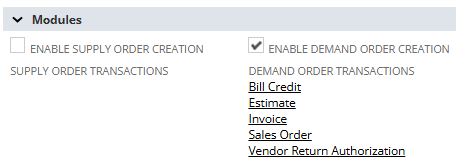
* [ ] Enable **Demand Order Creation**
* [ ] Select Bill Credit, Estimate, Invoice, Sales Order, Vendor Return Authorizations in the **Demand Order Transactions** field
* [ ] Enable **Sales Costs**
* [ ] Select Credit Memo, Estimate, Invoice, Sales Order in the **Sales Cost Transactions** field
* [ ] Select applicable Subsidiaries / Locations in the relevant fields
* [ ] Set **Sales Cost Rounding** = 3
* [ ] Set **Default Sales Cost PO Creation Method** = No PO
* [ ] Select **Default Sales Cost Processing Method** = Change Rate and Custom GL Posting
* [ ] Select **Default Sales Cost Custom Price Handling Method** = Always Change Custom Rate
* [ ] Select **Default Percentage Rate Calculation Method** = Starting Rate
* [ ] Set **Automatically Process Sales Cost Variance** = T
{% hint style="info" %}
For detailed information about these settings, refer to the [TQ Setup page](/qloud-margin-control/using-qmc/setup-guides/tq-setup.md)
{% endhint %}
{% endstep %}
{% step %}
### Item Setup
#### Create a Service for Resale Item
Create a new item to use for Sales Cost Processing where desired to track Sales Costs. On the item select an income account and expense account. New GL accounts may be required.
#### Update Items
Update existing Items and ensure 'Track Sales Cost = T'
{% endstep %}
{% step %}
### Creating a Customer Specific Sales Cost Budget
The following is an example of applying a 10% discount per transaction line to a customer
* [ ] Open a **Customer record**
* [ ] Navigate to **TradeQloud** -> **TQ Sales Cost Budget** -> **New TQ Sales Cost Budget**
* [ ] **Fill in** the following fields
* [ ] **Sales Cost Item**\
\&#xNAN;*Specify the Sales Cost Item to be used for costing (from previous step)*
* [ ] **Calculation Method =** Amount Line %
* [ ] **Allocation Method** = Amount
* [ ] **Percent = -10%**\
\&#xNAN;*Depending on which Calculation Method you select, either the Rate or the Percent field will become active & required*
* [ ] **Currency =** The default currency used in transactions
{% hint style="info" %}
[More information about Sales Costs Budgets](/qloud-margin-control/using-qmc/examples/sales-costs/sales-costs-budgets.md)
{% endhint %}
{% endstep %}
{% step %}
### Create First Transaction
* [ ] Create a **Sales Order**
* [ ] Select the **above used Customer**
* [ ] Select an **item (where Track Sales Cost = T)**.
* [ ] Click Add on the transaction line
On the TradeQloud tab you will see the available Sales Cost.
{% endstep %}
{% endstepper %}
***
## Need Assistance?
{% hint style="success" %}
If you continue to experience issues after following these installation steps, we recommend reaching out for further assistance.
Please contact us at with a detailed description of the problem. Our dedicated support team is committed to helping you resolve any challenges you may encounter.
{% endhint %}